
The Art of Luxury Safari
What makes a Tanzania safari truly exceptional?
Anyone can see the Serengeti. The difference is who sits beside you when the first leopard appears, where you sleep when the light goes, and how little you have to think about any of it.
It begins with the person beside you
Ask a traveller to describe their best safari moment and they rarely begin with the animal. They begin with the person who saw it first: the guide who stopped the vehicle before anyone else had noticed a flick of a tail in the grass, and who then said nothing for a full minute so you could earn the sighting yourself.
That instinct cannot be bought from a brochure. It comes from years in the same landscapes, from knowing which acacia a leopard favours at midday and when a quiet road is about to become a crossing. Exceptional safaris are built around guides like this, and everything else is arranged to give them room to work.
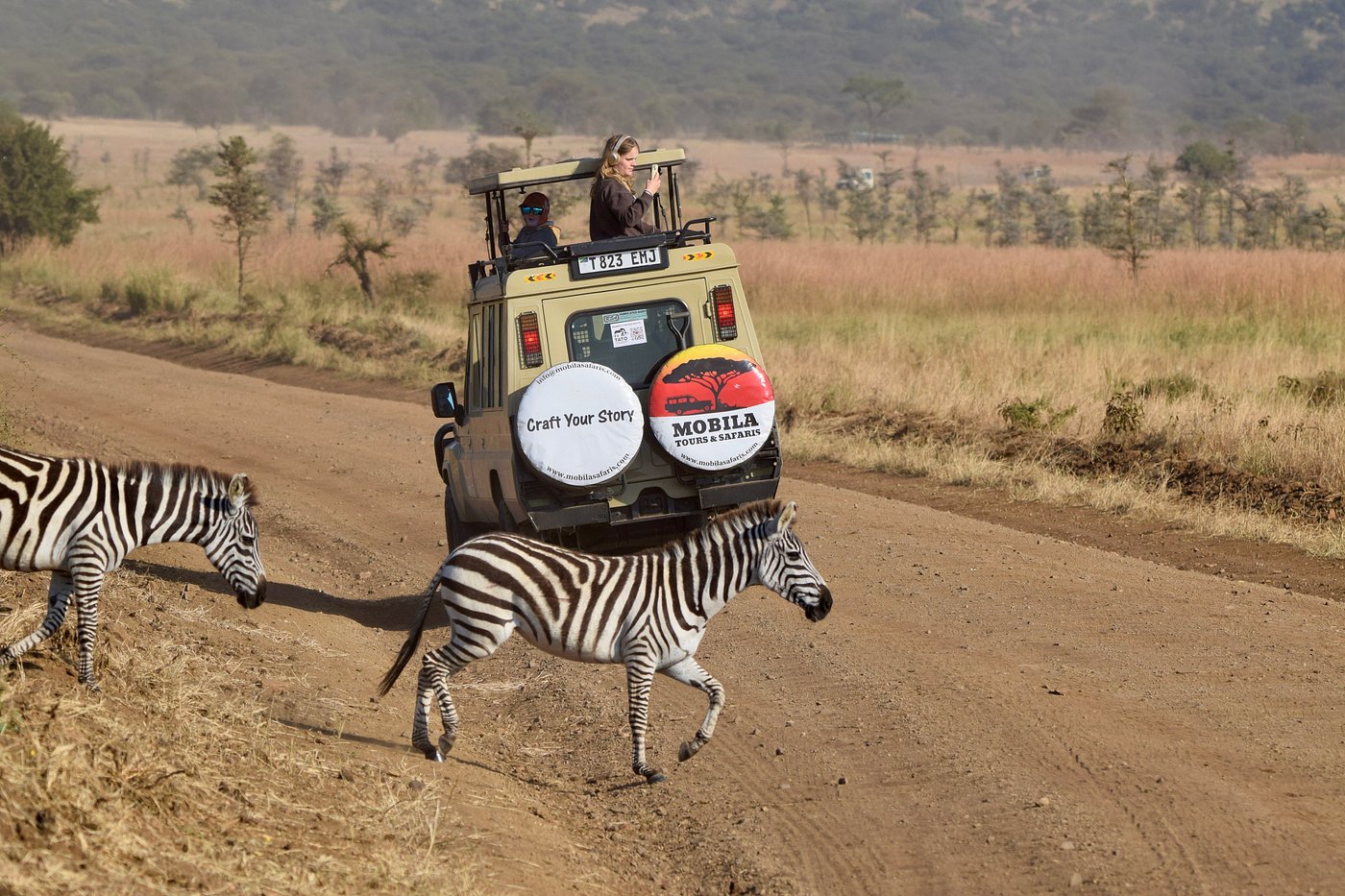
Unhurried, open-roof and private. A zebra crosses; no one is rushed.
The right animal at the right hour
Luxury is often described in thread counts, yet on safari it is measured in time. Time to stay with a lioness while her pride dozes in the shade. Time to watch a cheetah turn her head at a sound only she has heard. Time to wait, engine off, beneath a tree where a leopard has hauled its kill into the branches.
The finest sightings are never chased. They are patiently, quietly allowed to happen.
Private vehicles, flexible days and a guide who reads your pace rather than a schedule: this is the quiet engine behind every photograph worth keeping.
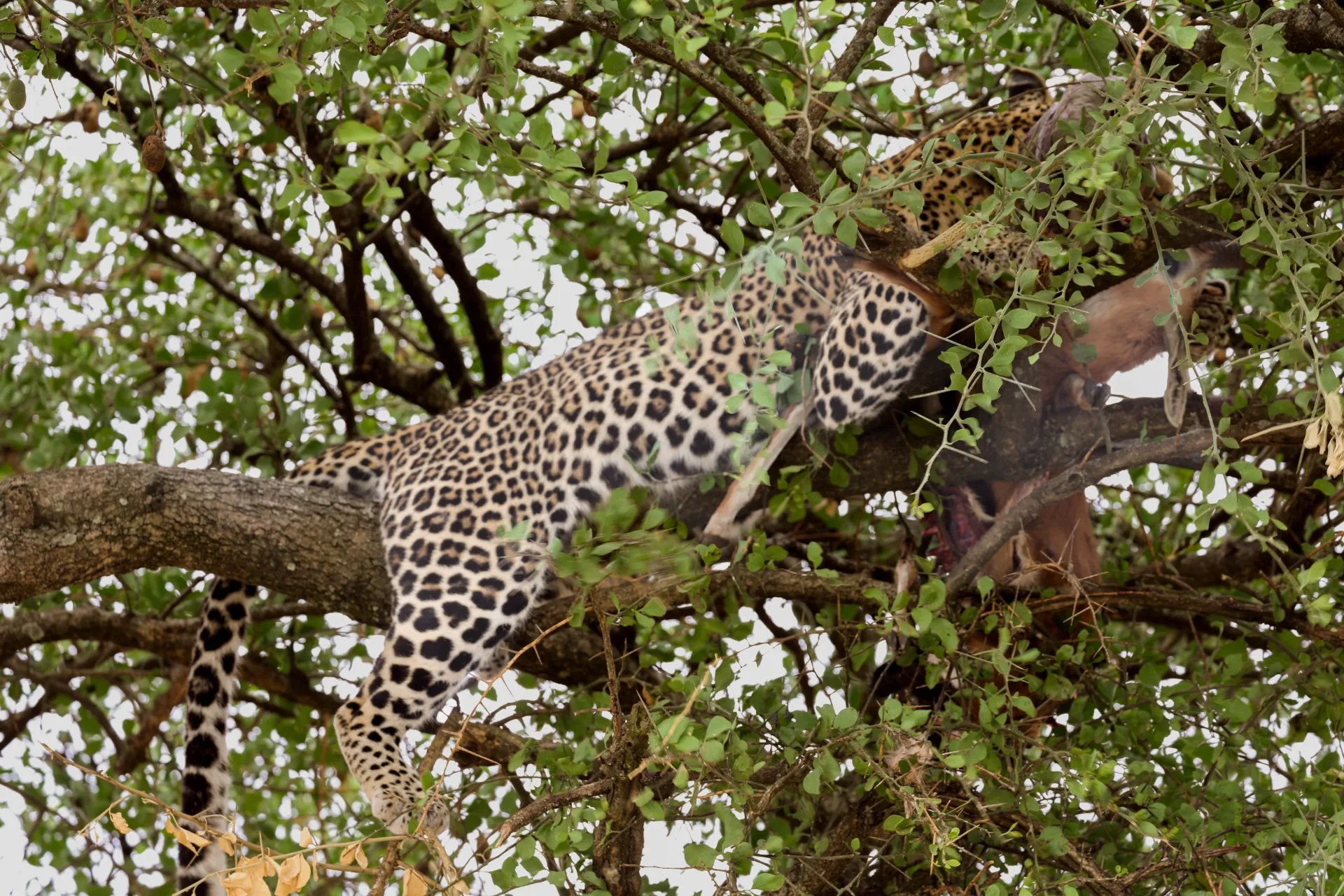
A leopard settles into the acacia with her kill.
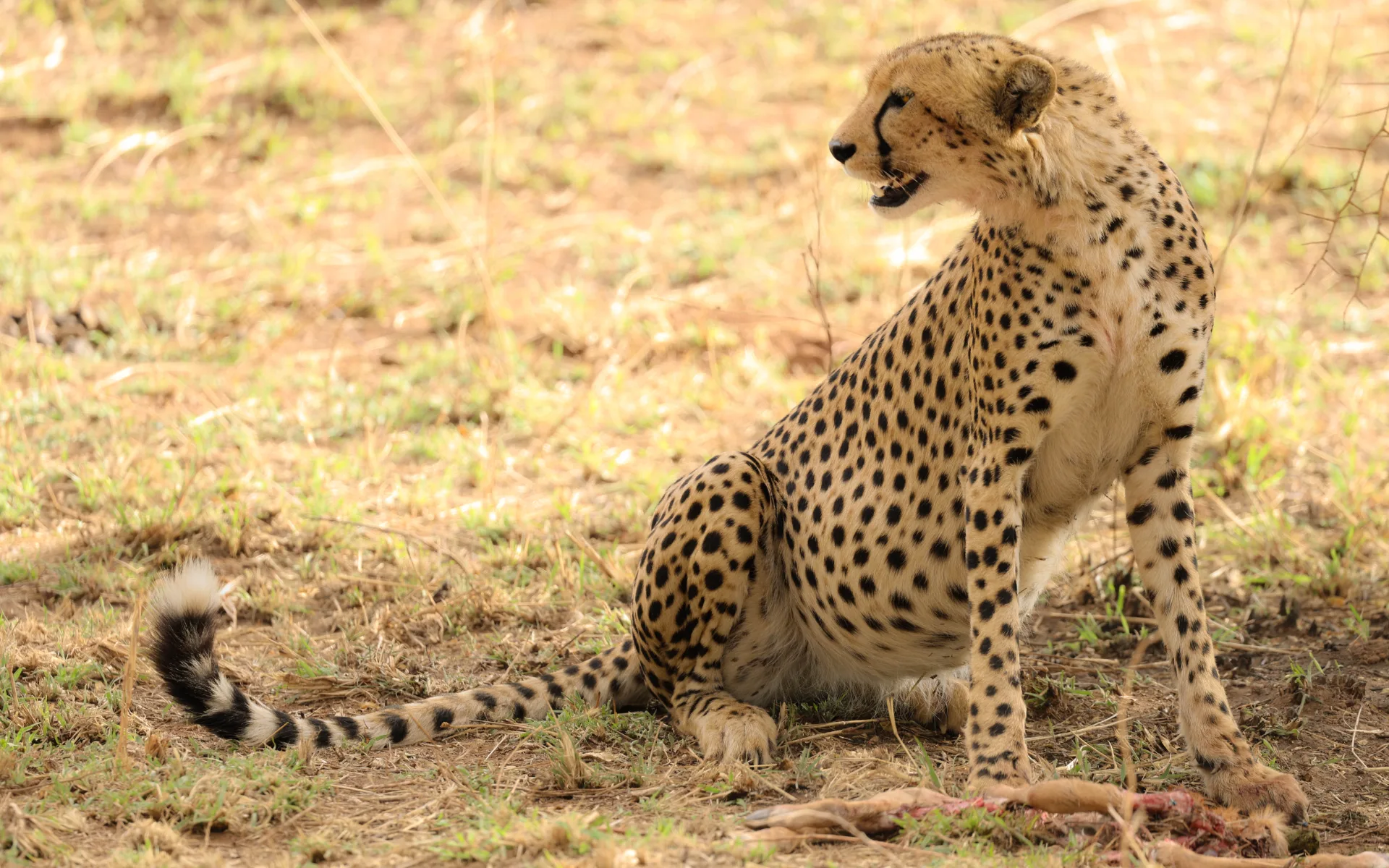
Cheetah, alert after a meal.
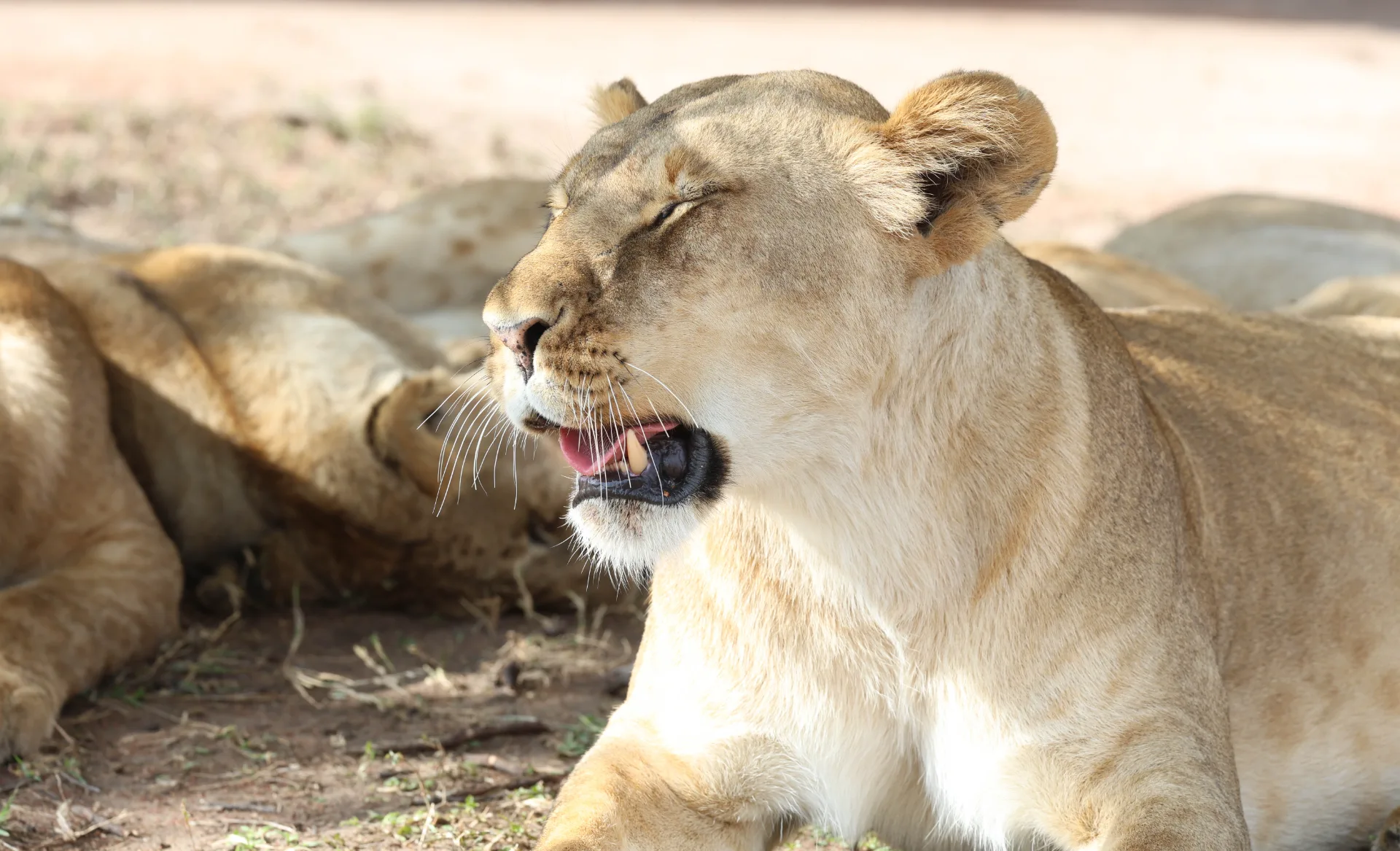
The pride at rest.
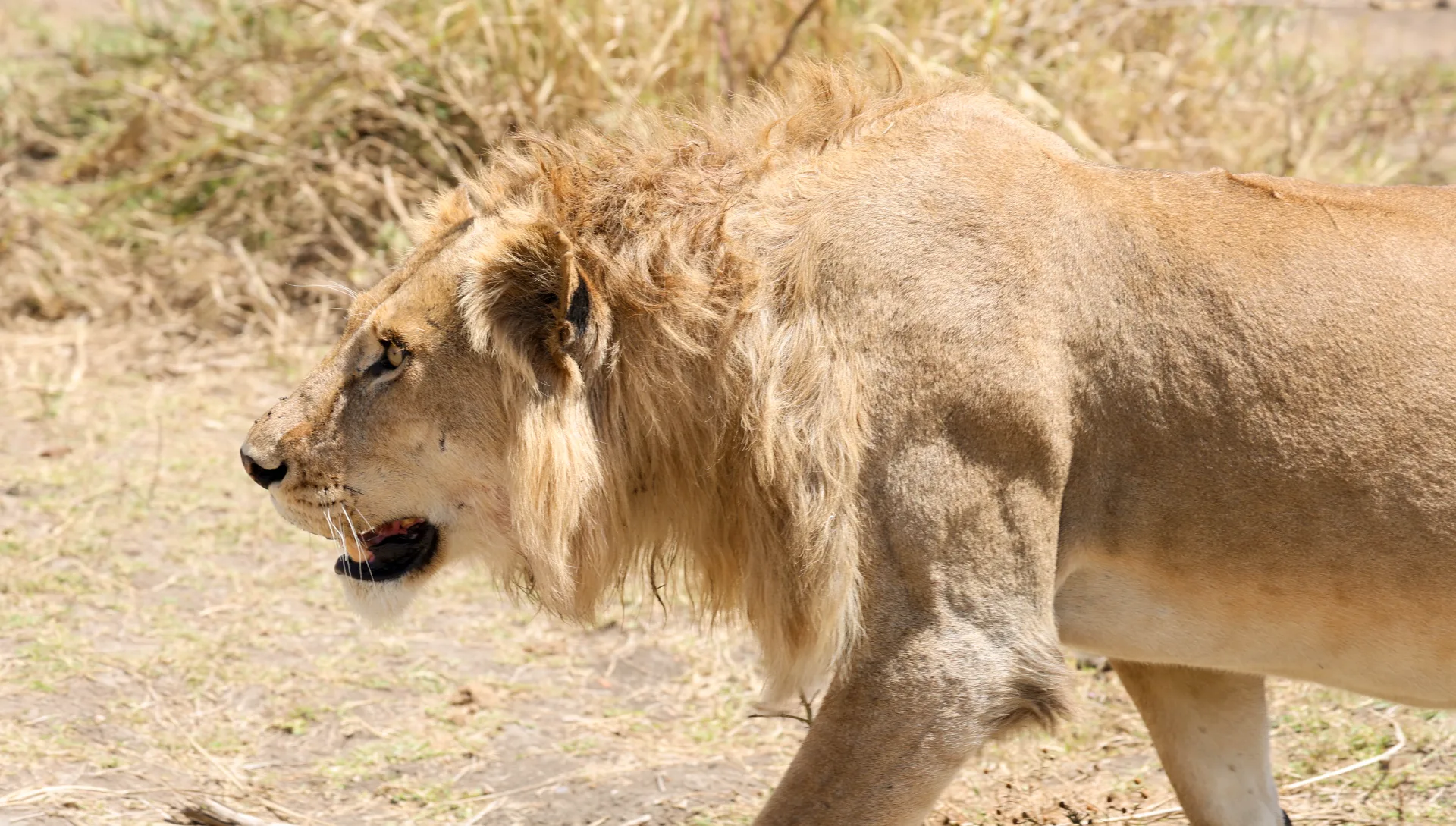
A young male on patrol.
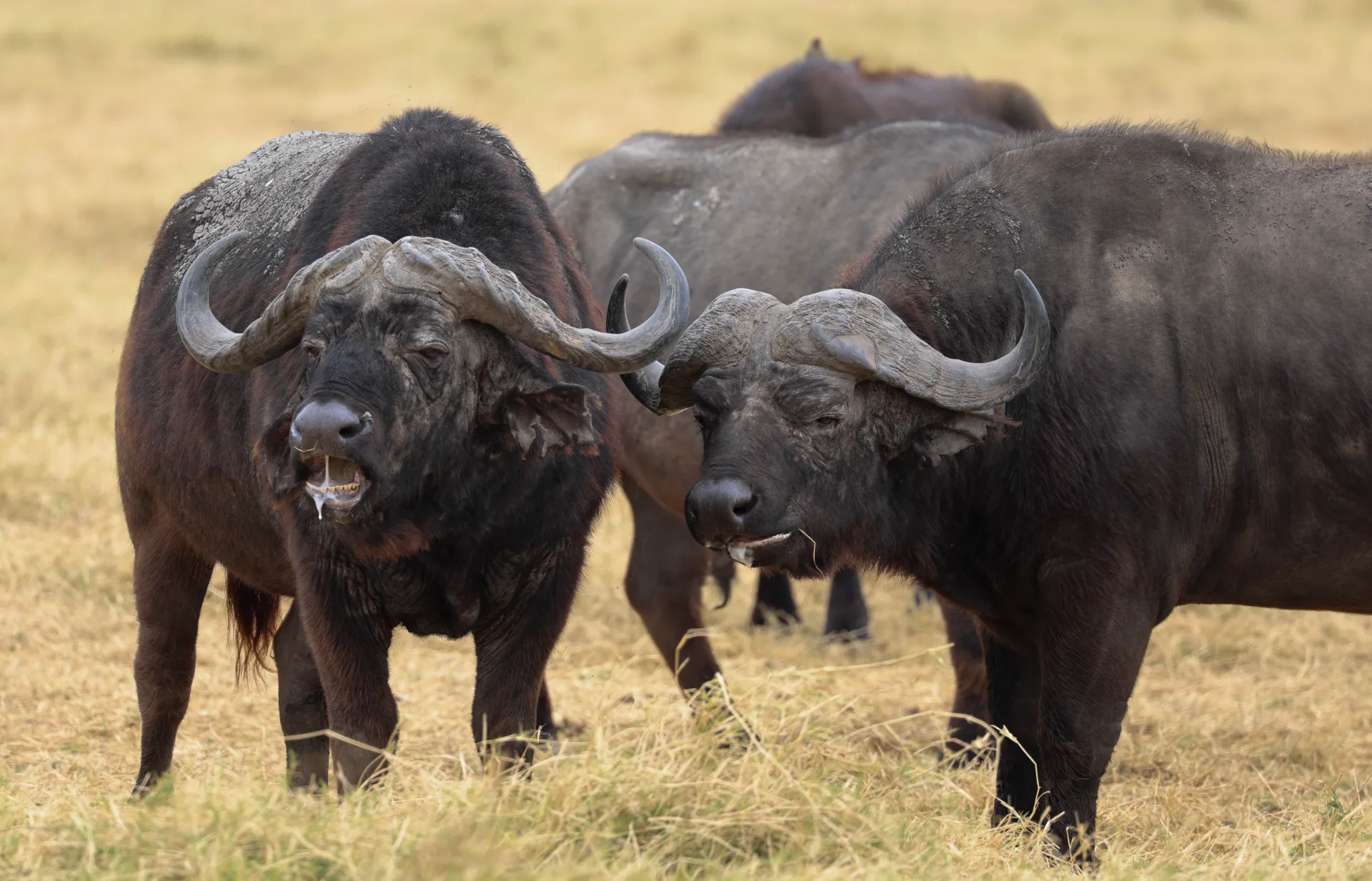
Cape buffalo, unbothered.
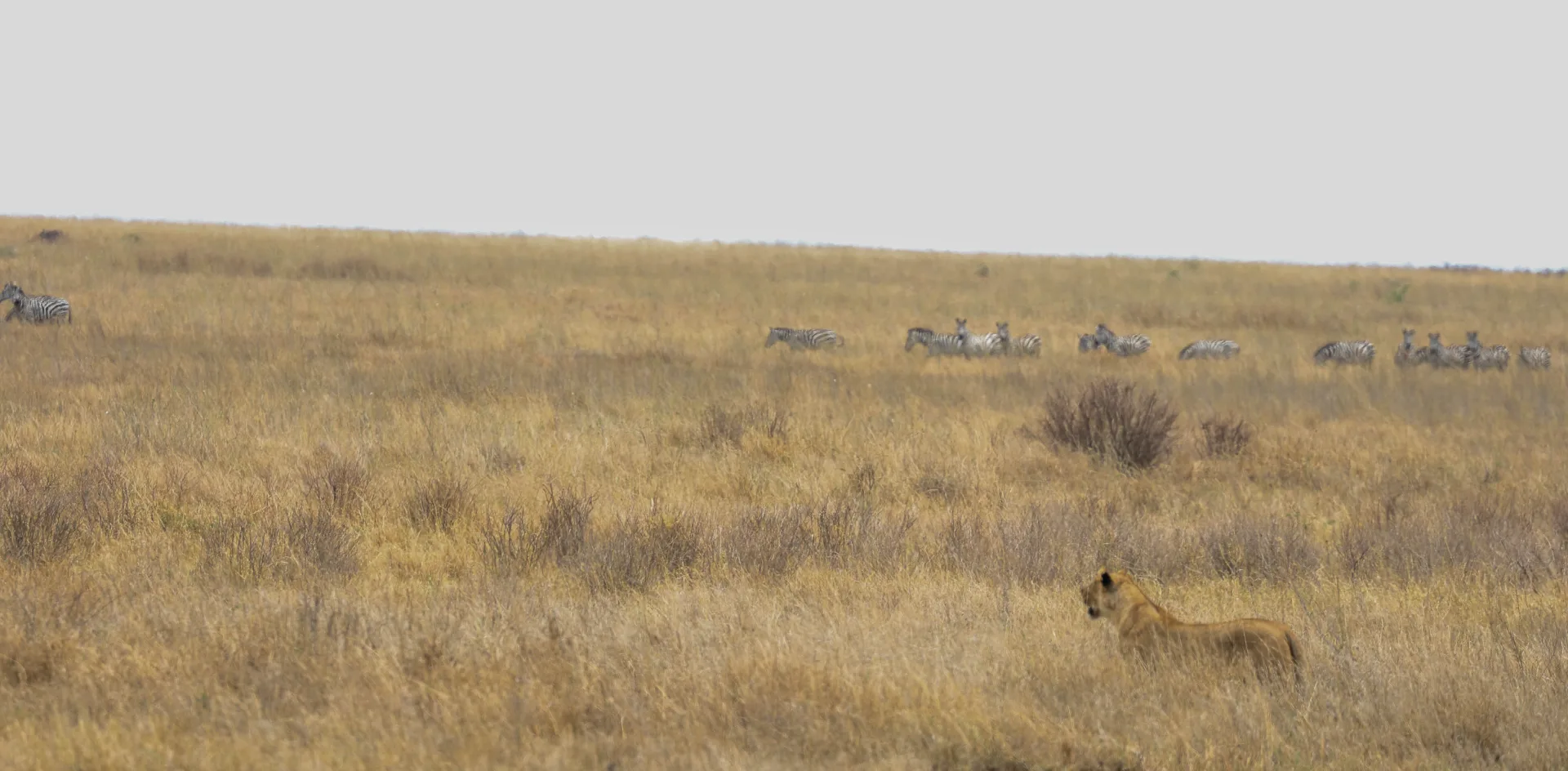
A lioness watches zebra cross the ridge.
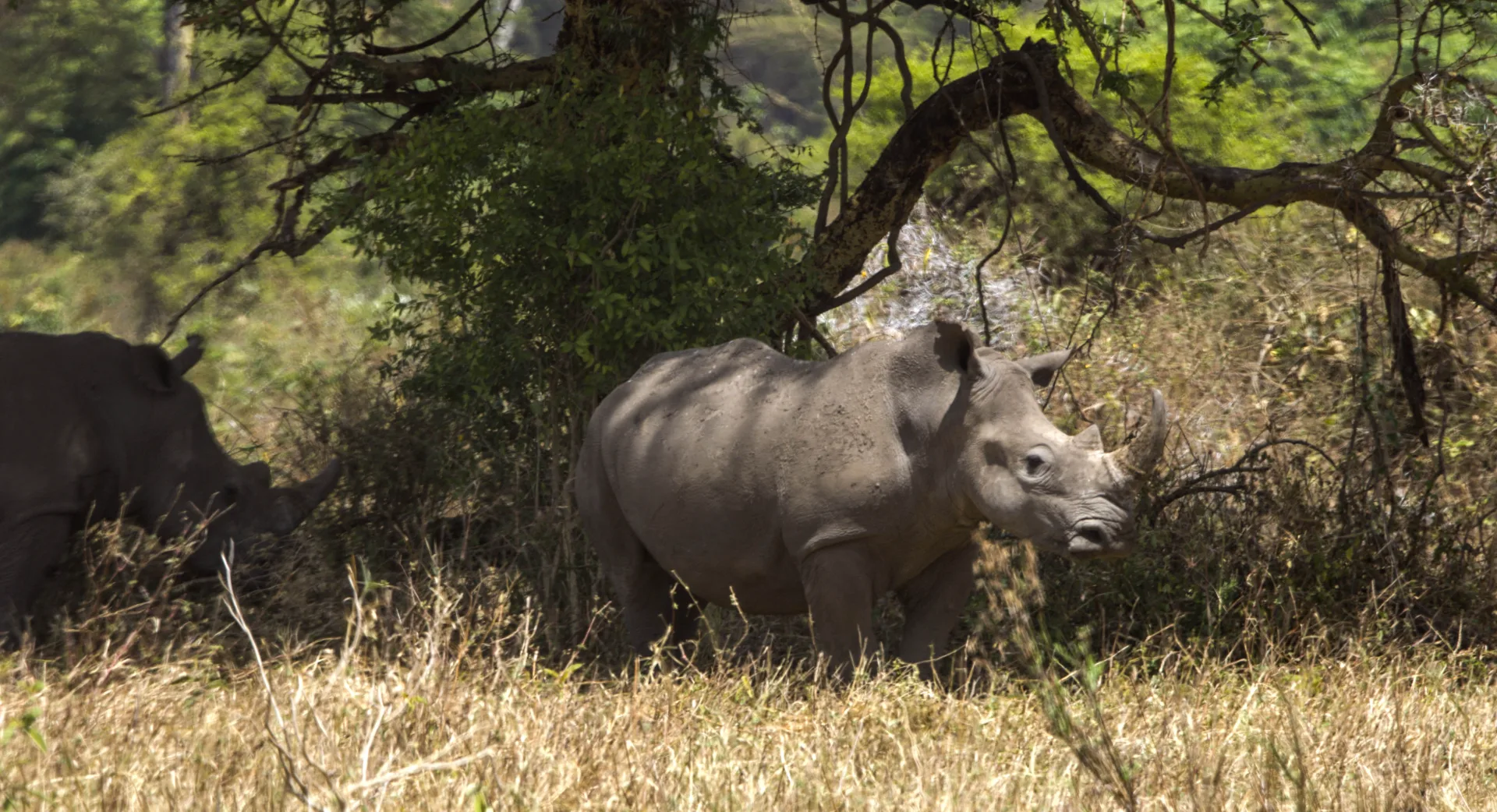
White rhino in the shade.
Where you wake up matters
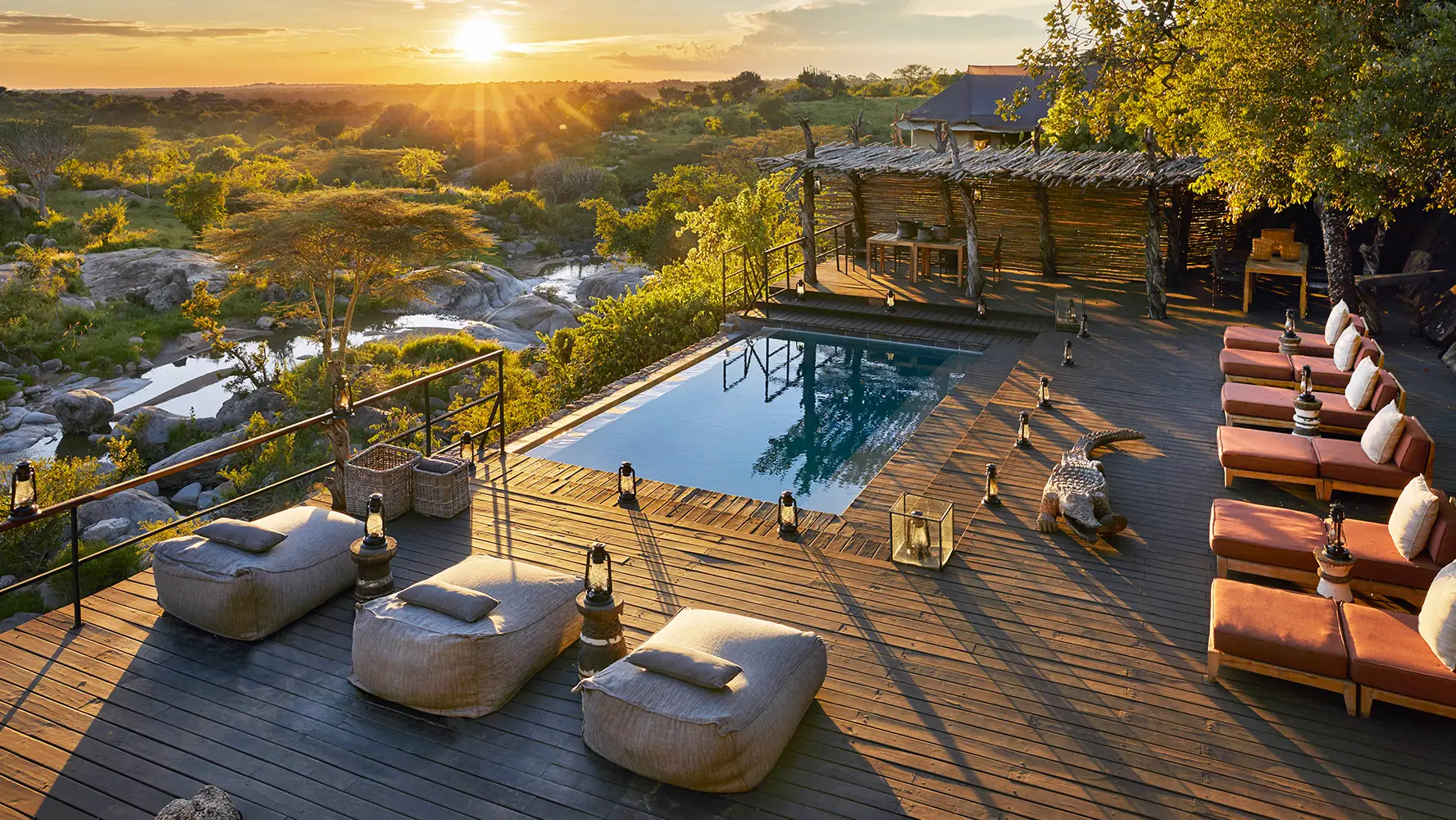
A great lodge does not compete with the wilderness. It frames it. Think of a pool deck at golden hour, lanterns lit, the river valley running to the horizon. Or a sunken fire pit above the plains, where the sky turns from lavender to ember while someone quietly pours you a drink.
In Tanzania the range is remarkable: a treehouse suite among the baobabs of Tarangire, a stone-and-thatch camp on a Serengeti ridge, a sundowner terrace that looks across the whole of the plains. The test is simple. Does the place make you want to stay put and watch, and does it make leaving the vehicle feel like another kind of arrival?
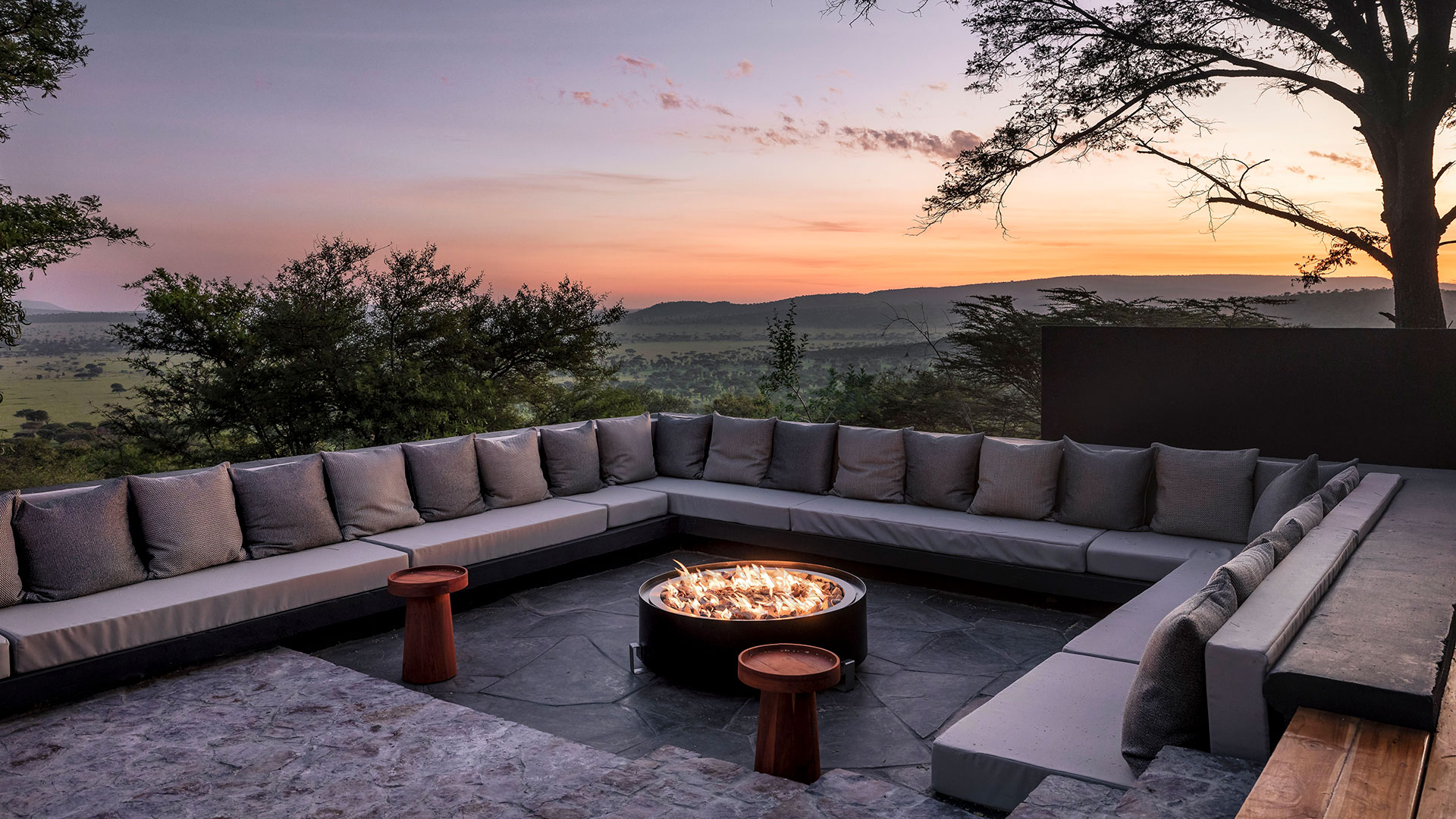
A fire pit above the plains at dusk.
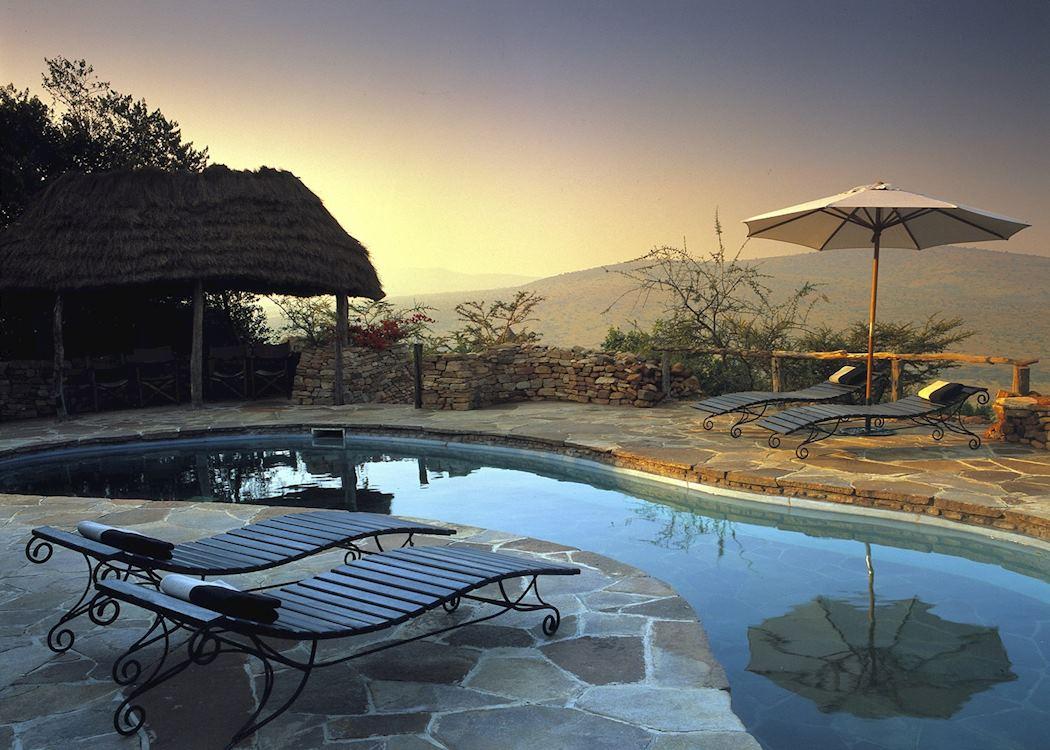
Klein's Camp, pool and hills at sunset.
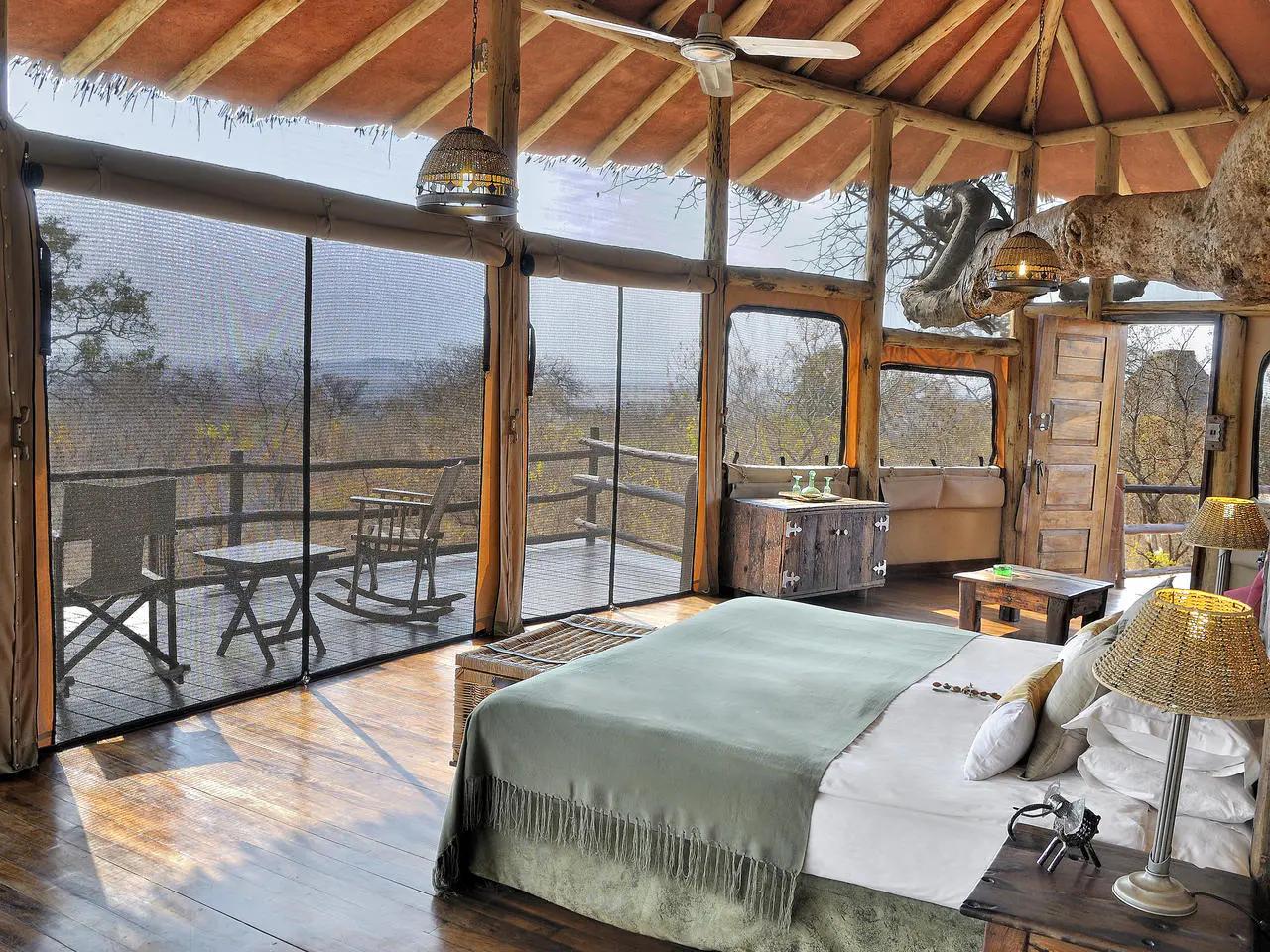
Tarangire Treetops: a suite among the baobabs.
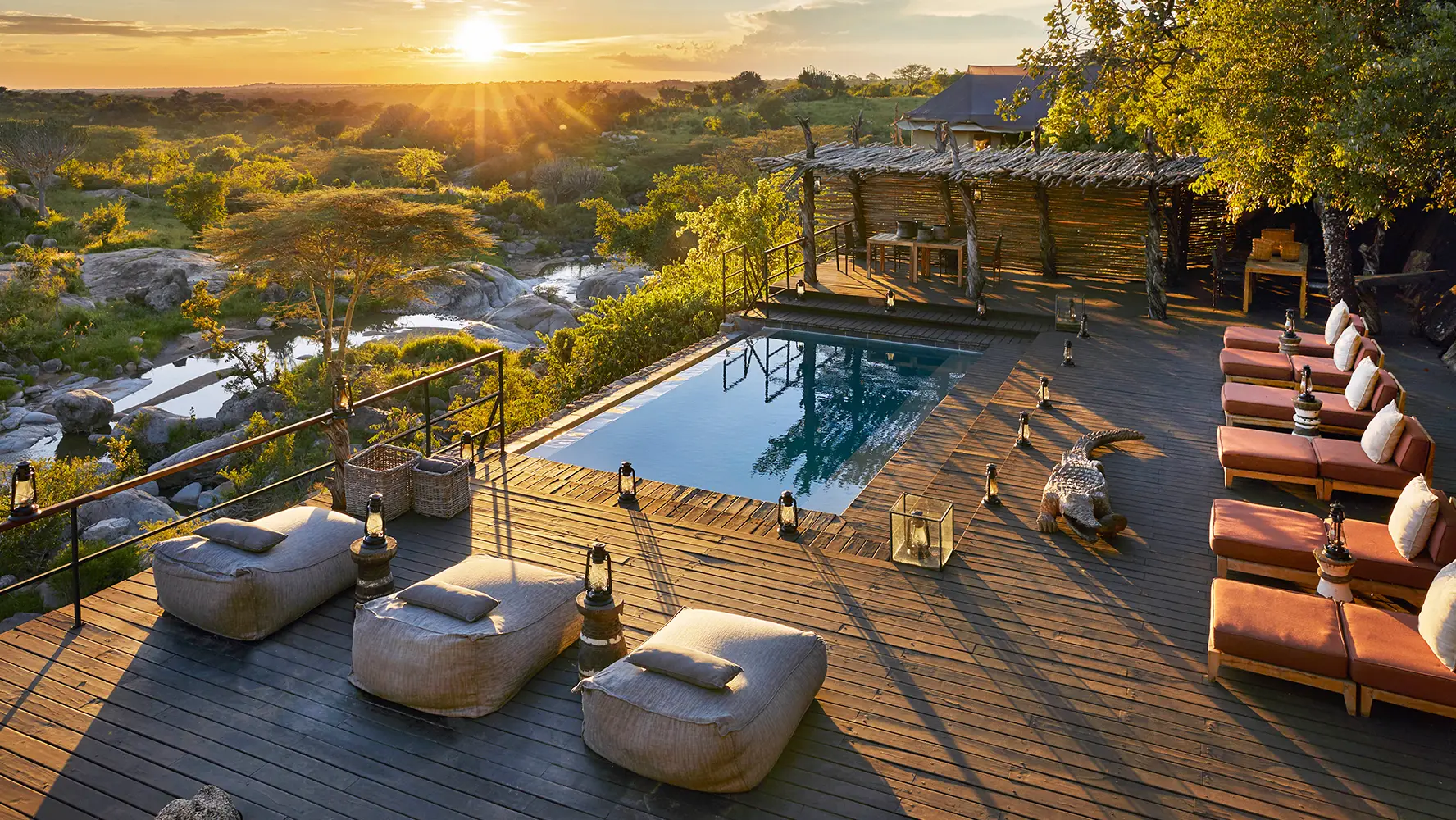
Deck, pool and lanterns as the sun drops.
Seamless, so you can be present
The truest sign of luxury is what you do not notice. Transfers that are simply there. Scenic flights that replace a day on the road. A single team who knows your preferences before you do and whispers the plan to your guide, not to you.
It is also the freedom to finish the journey the way you want: after the dust of the savannah, barefoot on white sand with the sea in front and a fire lit at your feet.
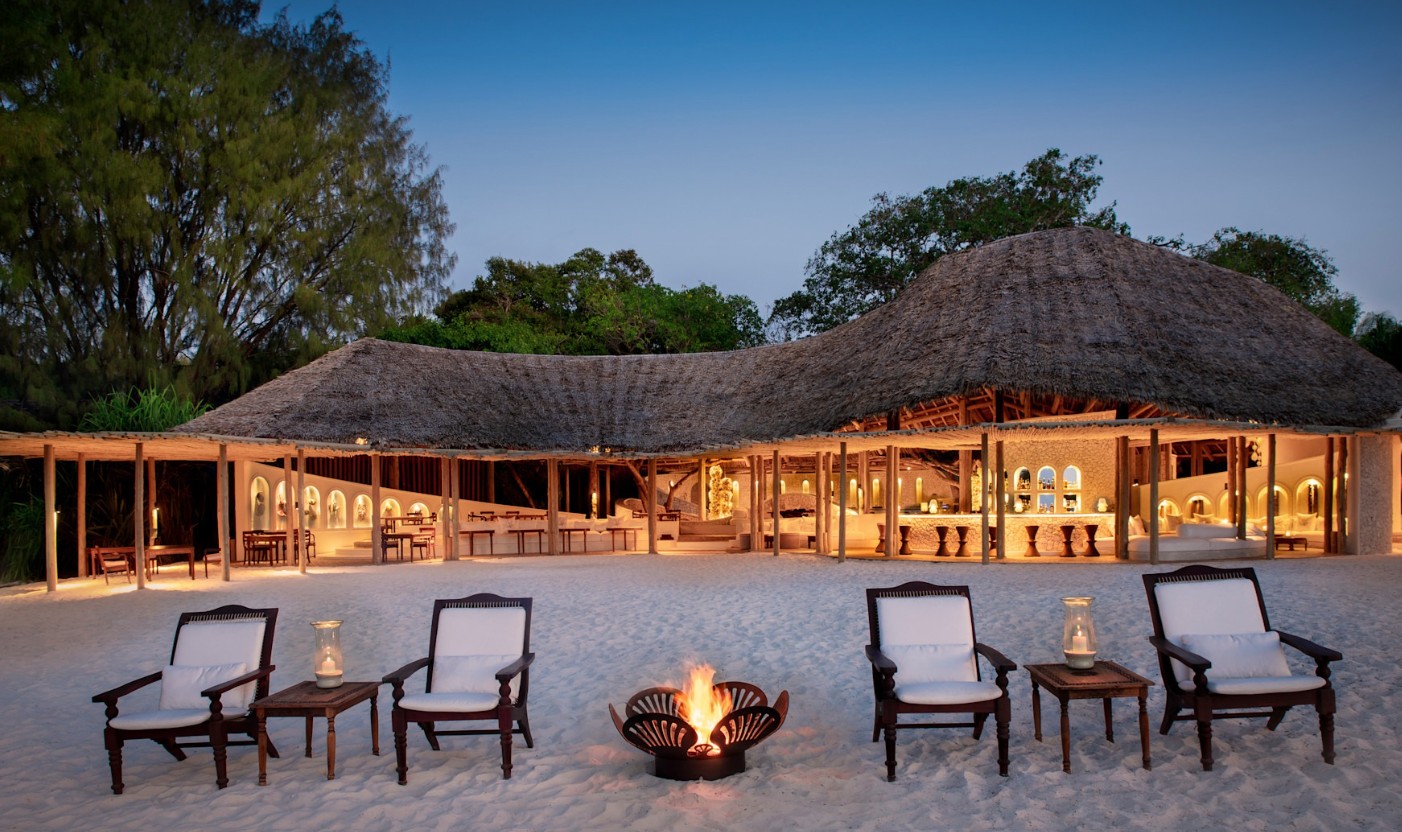
Mnemba Island at dusk: the quietest ending a safari can have.
A journey that gives something back
The most memorable trips leave places better than they found them. Local guides who share their home with pride, stays that support conservation and communities, and stories that travellers carry back and retell. When a safari has purpose, the beauty lasts longer than the trip.
So what makes it exceptional?
A guide who reads the bush. Time that is never rushed. A place to sleep that deepens the wilderness rather than hiding it. Logistics you never have to see. And a sense, long after you are home, that the journey was made for you alone.
FAQs
What makes a Tanzania safari truly luxury?
Luxury is measured in time, expertise and ease: an expert private guide, unhurried game drives, exceptional lodges and camps, and seamless logistics from transfers to scenic flights.
When is the best time for a luxury safari in Tanzania?
The dry season, roughly June to October, is the classic time for wildlife viewing. The green season brings fewer vehicles, lush landscapes and newborn animals in parts of the south. Your ideal time depends on what you most want to see.
How many days do I need?
Five to seven days lets you enjoy Tarangire, the Serengeti and Ngorongoro without rushing. Ten days or more allows you to add remote parks or a Zanzibar beach finish.
Is a private safari vehicle worth it?
Yes. A private vehicle and guide let you set the pace, stay longer at sightings, shape the day around your interests and photograph without compromise.
Can I combine a safari with Zanzibar?
Yes. Many guests fly from the bush to Zanzibar for a barefoot beach finish, including island escapes such as Mnemba.
Is a luxury safari suitable for families?
Yes. Family safaris work well with the right lodges and guides, though minimum ages vary by camp, so we plan around your children.
How far ahead should I book?
For peak season, ideally nine to twelve months ahead, as the best lodges and guides fill early. Shorter notice is sometimes possible, so ask.
Craft your story
Tell us the moments you want to remember. We will design the journey around them, from the first game drive to the last sunset.
Plan Your Tanzania Safari: info@mobilasafaris.com | www.mobilasafaris.com


0 Comments
Mobila Safaris